Catalog by type of application
Surgical Monitors



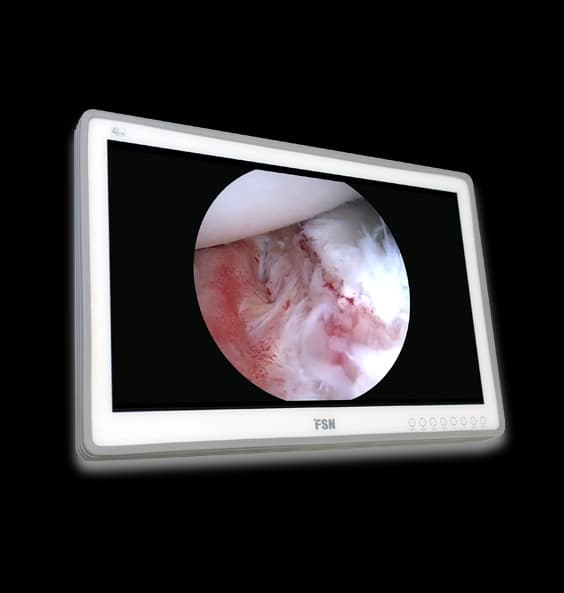
Medical Grade Monitor FSN FM-2701D_DG
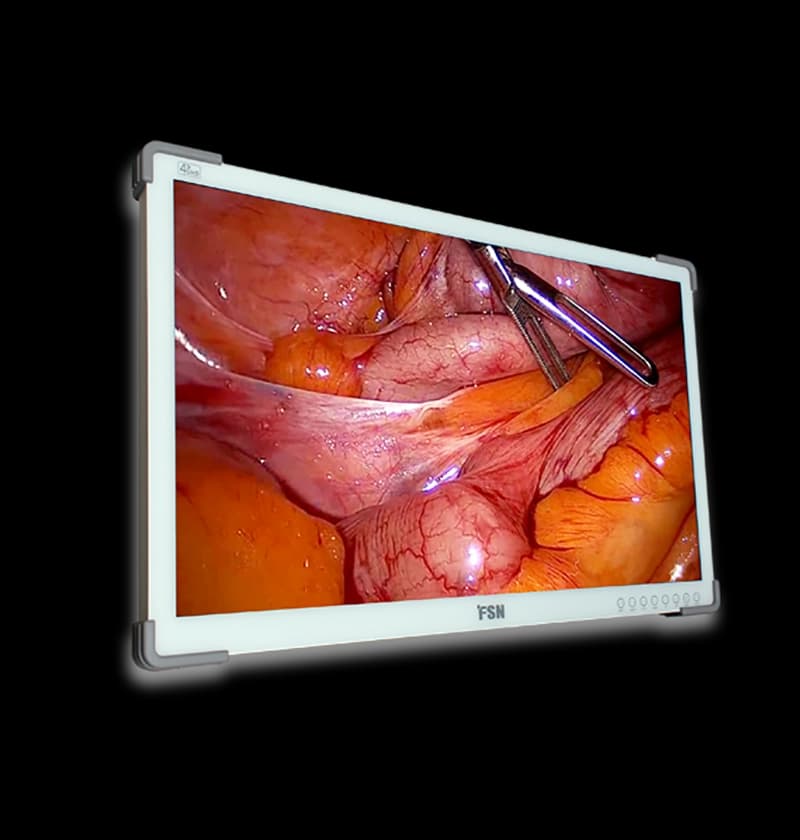
Medical Display FSN FM-E3230D-DG-DN
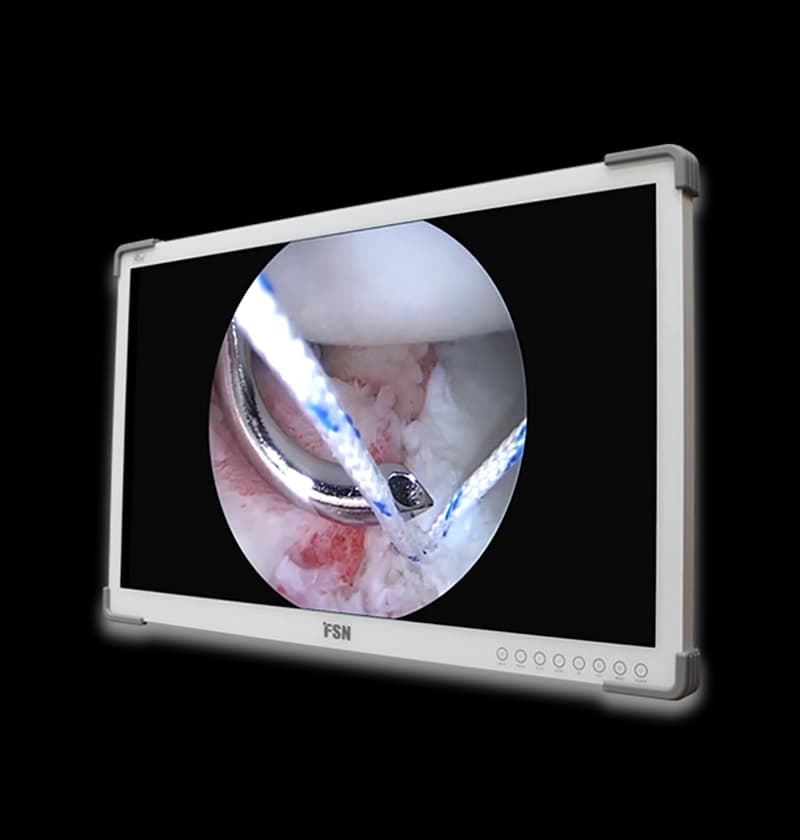
Medical Display FSN FS-A3202DS
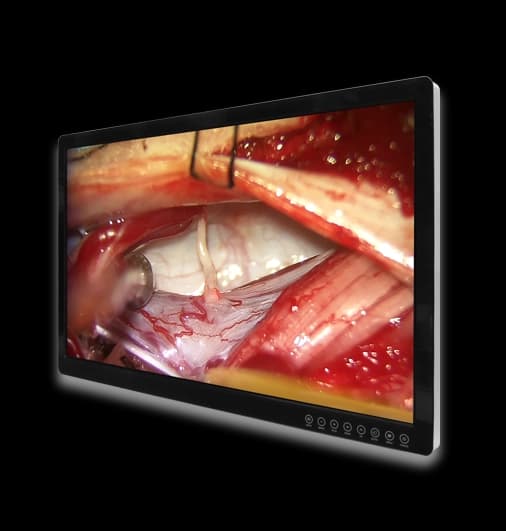
Medical Grade Monitor FSN FM-E3204DGC
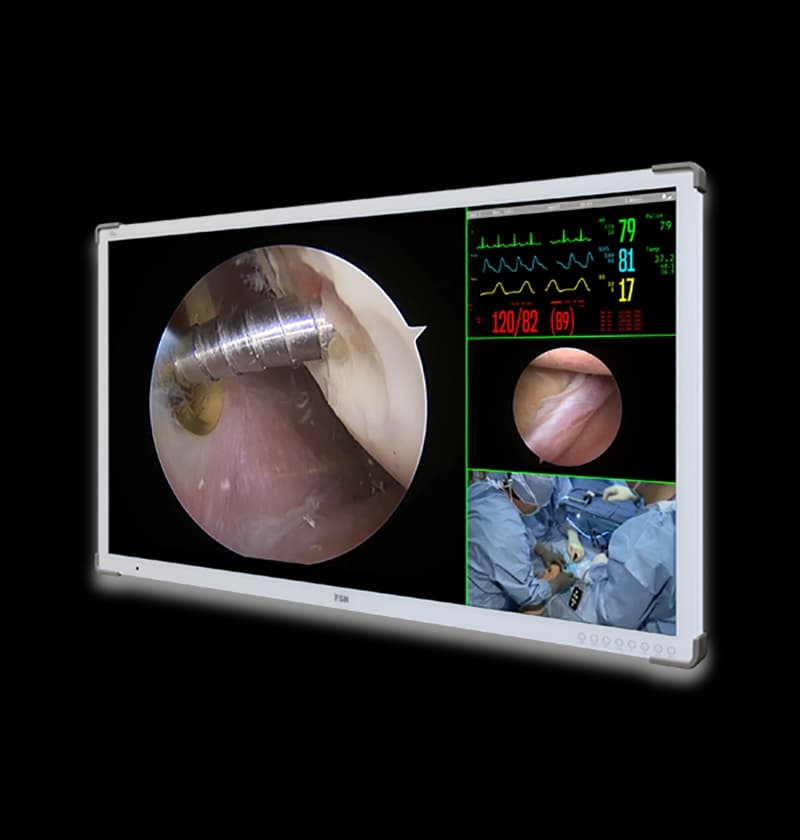
Medical Grade Monitor FSN FM-A5504DS-DG
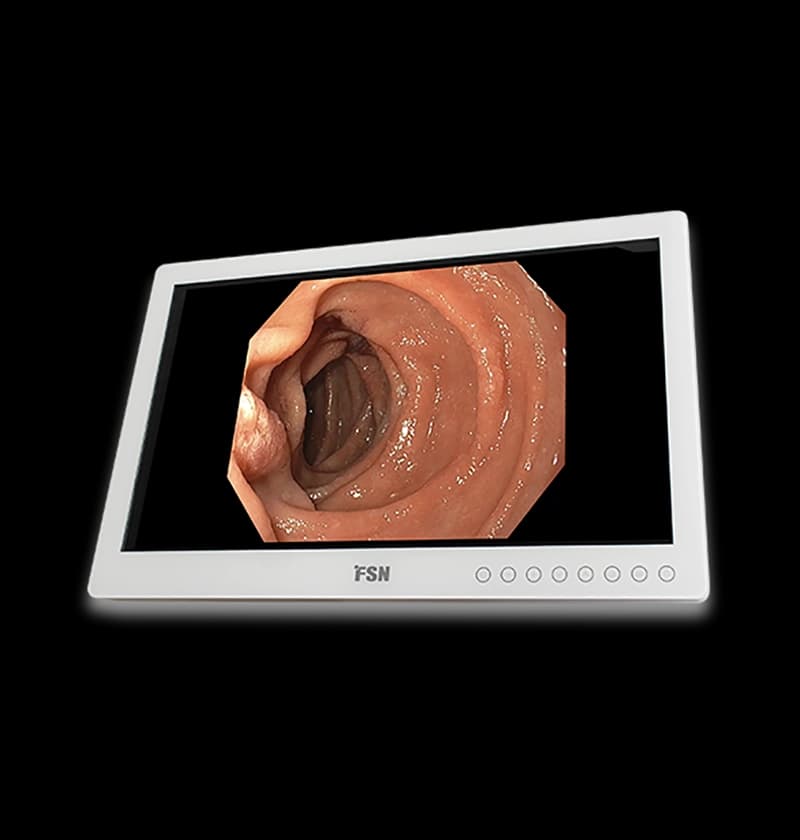
Medical Display FSN FS-E2102D
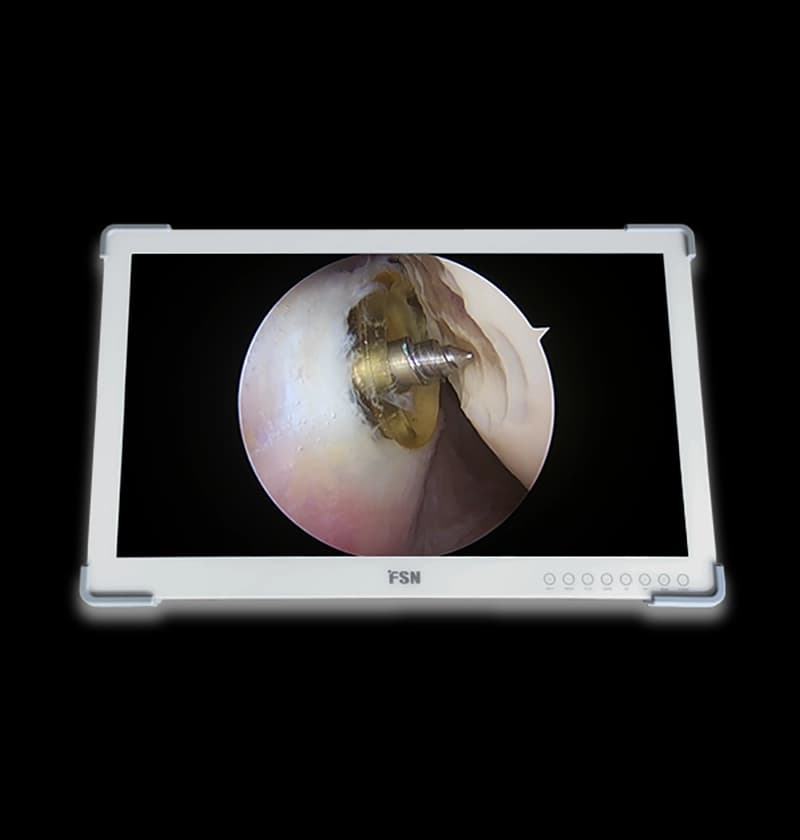
Medical Grade Display FSN FS-A2702DS
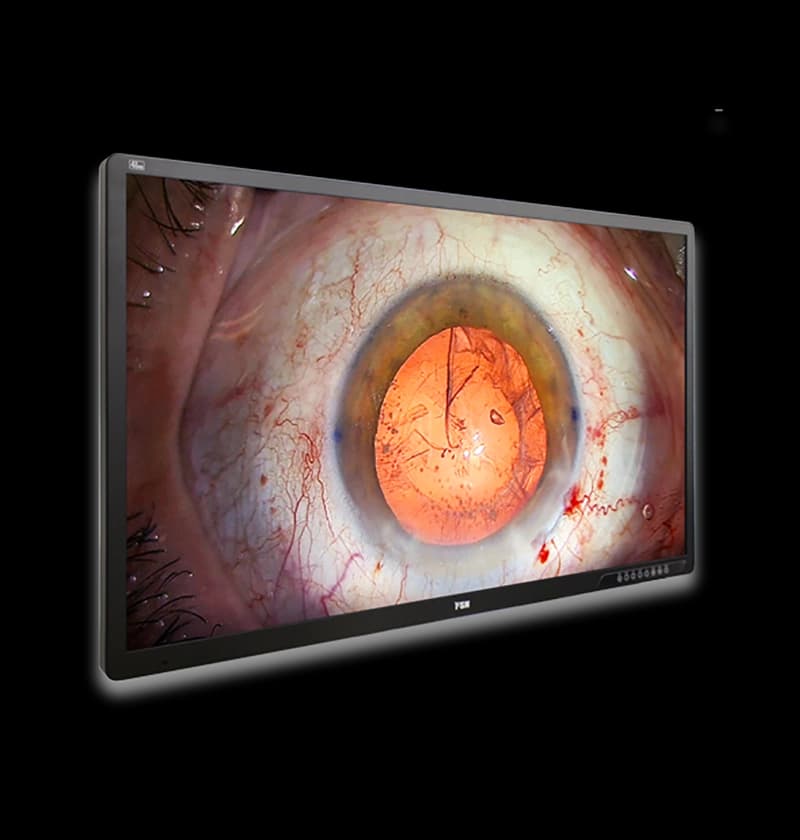
Medical Grade Monitor FM-A5505DGC
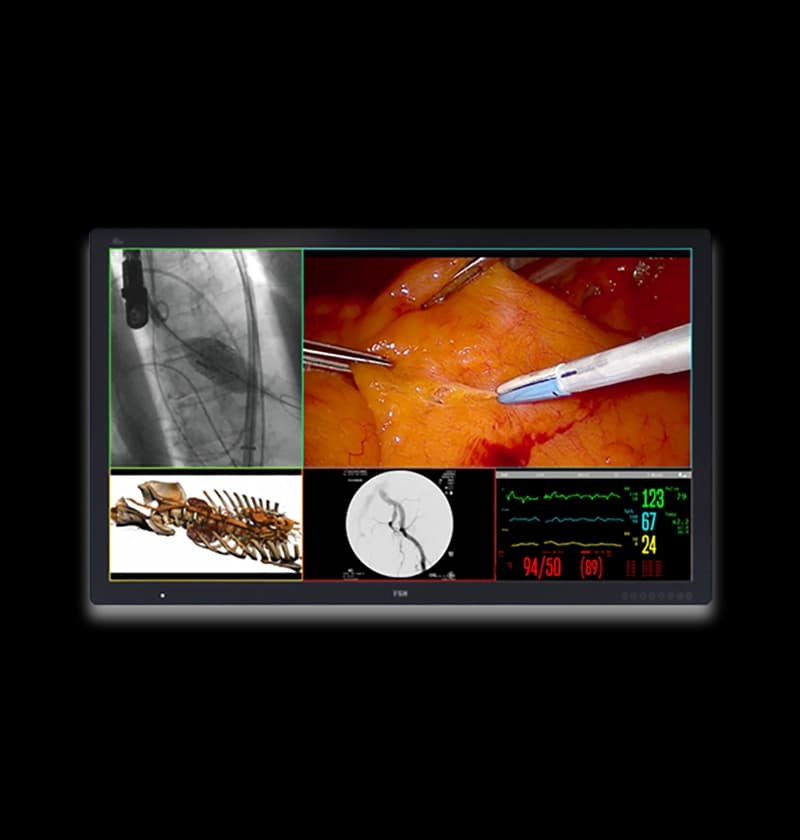
Medical Grade Monitor FSN FM-D5802DV
Surgical monitors are an essential part of operating room equipment, as they ensure accurate image display during surgical interventions. They are used for transmitting endoscopic video, images from surgical cameras, medical imaging systems, and navigation platforms. The quality of the image on the monitor determines the precision of the surgeon’s actions, the ability to identify small anatomical structures, and the safety of the procedure.
The main task of a surgical medical display is to provide clear, stable, and continuous visualization during surgery. Monitors are used in laparoscopic and endoscopic surgery, microsurgical procedures, vascular surgery, neurosurgery, and general surgery. Not only clarity and detail are important, but also accurate color reproduction, as the surgeon is guided by tissue tones and organ perfusion.
A surgical monitor must display images without latency, with correct color depth and high resolution. Such visualization reduces visual fatigue, prevents errors, and allows long-term work without loss of concentration.
Surgical monitors are equipped with panels that provide a wide viewing angle, so all members of the surgical team can clearly see the image from different positions. The display surface is designed for frequent disinfection and close operation in a sterile environment. The housing typically features moisture and contamination protection. Support for medical video systems allows the monitor to work with endoscopes, laparoscopic towers, navigation systems, and real-time imaging devices.
Surgical monitors may differ in their application area, operating capabilities, and method of integration into the operating room. Depending on the type of intervention, different solutions are used to optimize visualization for specific clinical tasks.
The choice of display type depends on the department’s profile, frequency of endoscopic procedures, operating room layout, and multimedia integration requirements.
A surgical monitor is selected with regard to operating conditions and the nature of procedures. Important factors include not only screen size, but also color accuracy, image stability, and resistance to repeated disinfection cycles.
A properly selected surgical display reduces visual fatigue, improves precision of surgical manipulations, and ensures stable image quality throughout all stages of the procedure.
Surgical monitors are supplied directly from the manufacturer with official warranty and service support. Consultations are available for selecting the configuration based on the specific needs of the operating room, as well as technical support during implementation and usage. This ensures continuous functioning of the surgical unit and compliance with clinical practice requirements.