Catalog by type of application
Operation tables



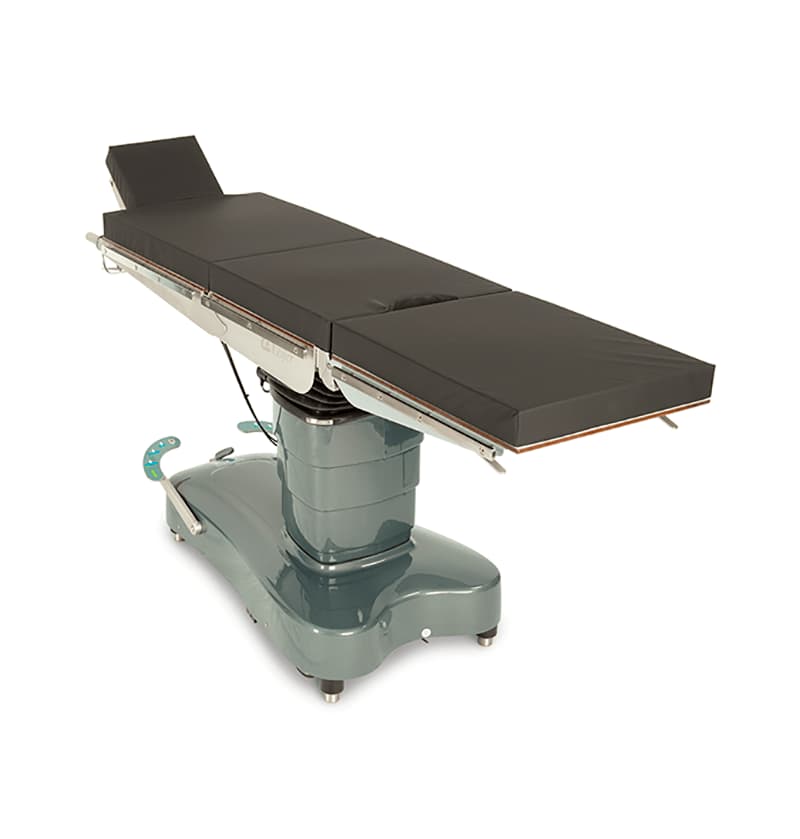
Operating Table Lojer Scandia 310Н
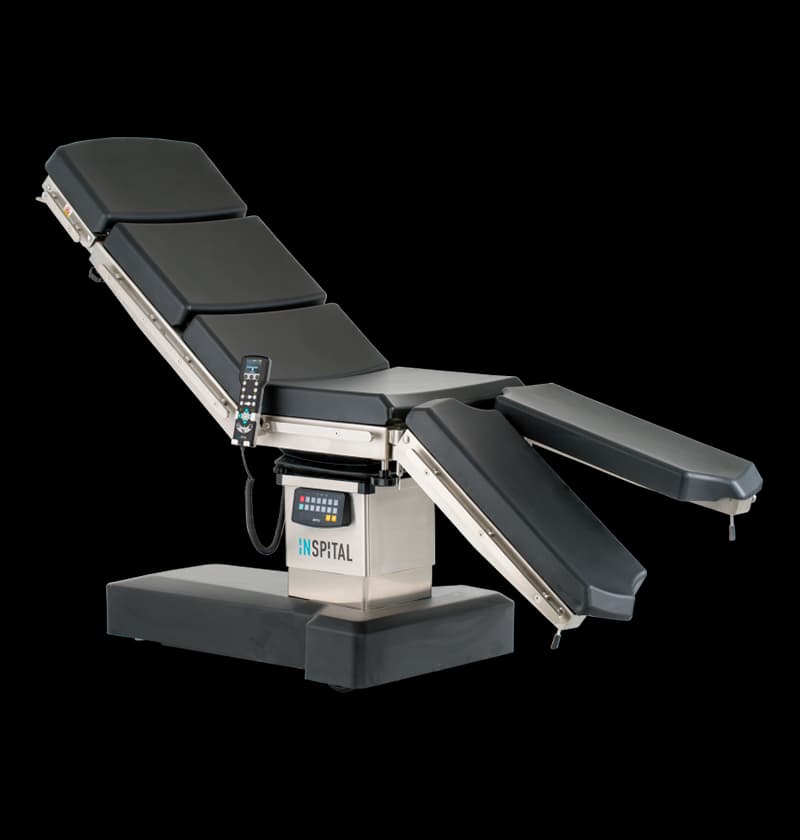
Operating Table Inspital OT80.20 NOVUS
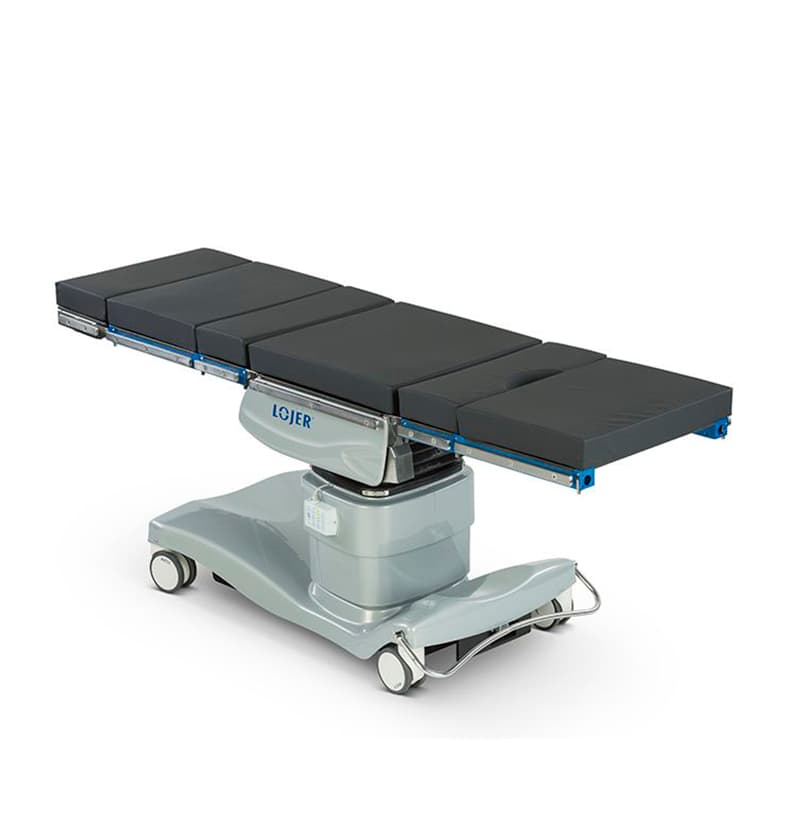
Operating Table Lojer Scandia SC440
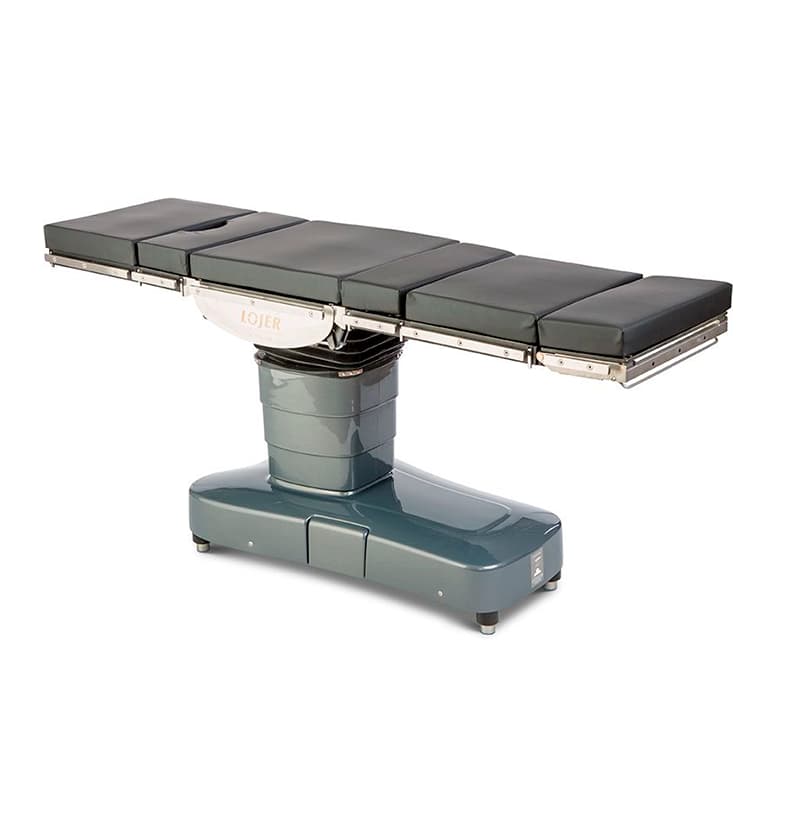
Operating Table Lojer Scandia SC330
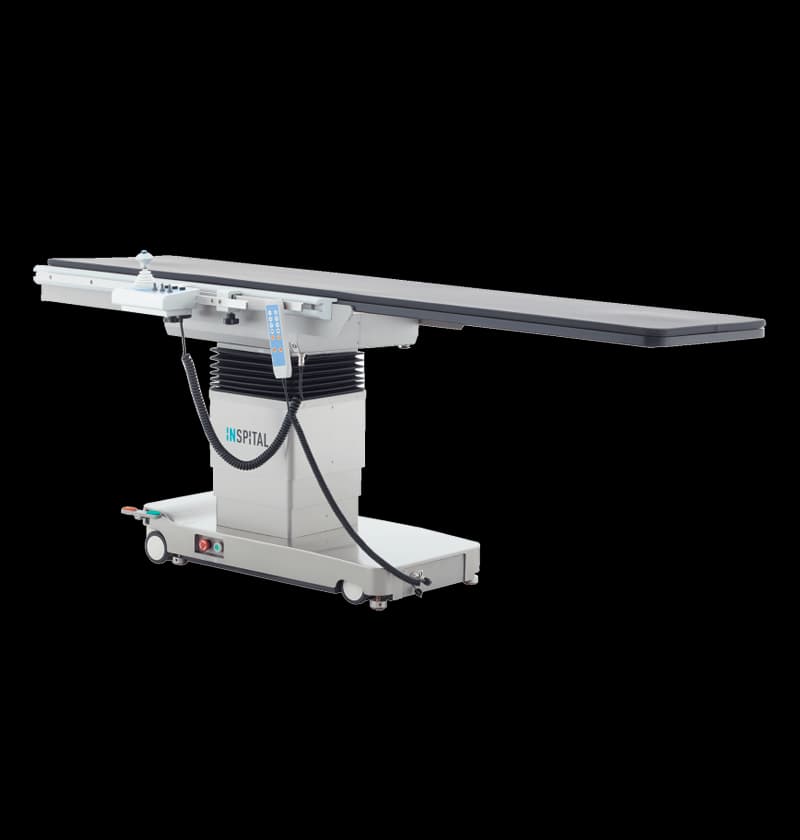
Mobile Imaging Table Inspital OT80.30
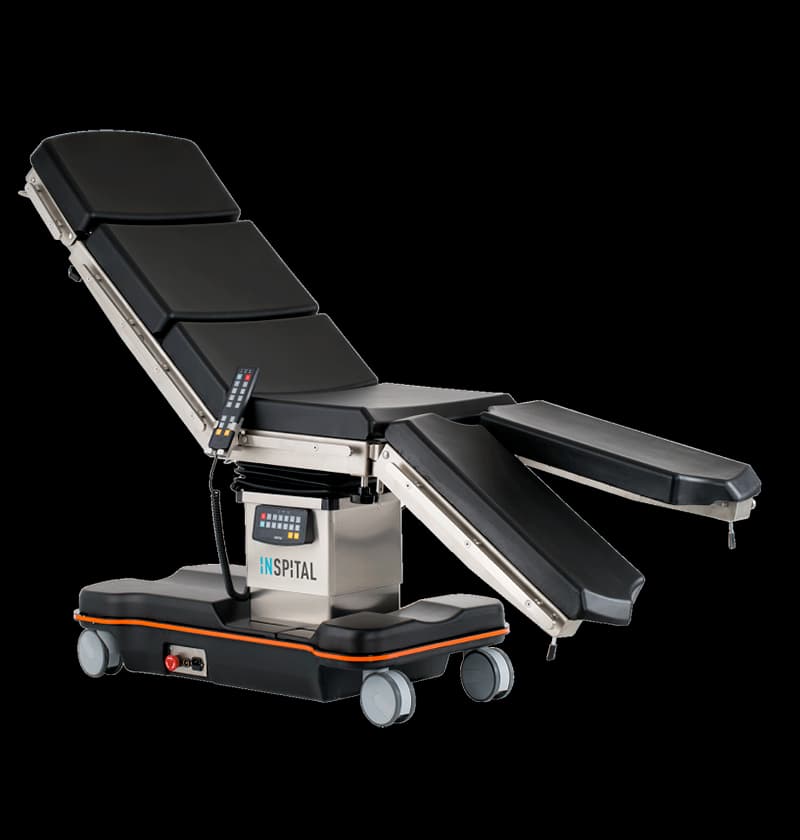
Operating Table Inspital OT80.25
Operating tables are a key element of surgical unit equipment, as they provide a stable, safe, and controlled position of the patient during surgery. The adjustment capabilities and compatibility with additional accessories determine the surgeon’s access to the operative site, the efficiency of the surgical team’s work, and patient safety.
An operating table is used to position and fix the patient during surgical intervention. The table must provide stability, allow configuration of the patient’s body according to clinical needs, and ensure access to the surgical field. Universal operating tables are used in general surgery, urology, gynecology, traumatology, and other fields, allowing a single platform to be used for a wide range of procedures.
The operating space must be organized in such a way that all equipment works coherently. The table must be compatible with surgical lights, anesthesia machines, vital signs monitoring systems, instrument systems, and X-ray units, while maintaining stability and free access to the operative field.
The construction of an operating table consists of a platform and adjustable sections that allow forming the required patient position. The table must provide height adjustment, tilt angles, and configuration of segments to adapt body positioning to the needs of the procedure. The surface materials must be resistant to disinfectants and mechanical load. A radiolucent tabletop allows the use of X-ray systems and C-arms without repositioning the patient.
The catalog includes universal tables for daily intensive use and mobile models for work environments requiring flexible equipment movement. Universal tables provide stable support and a wide range of positioning options. Mobile models allow rapid reconfiguration of the operating space and relocation between use areas.
These structural characteristics ensure patient fixation and access to the operative field while maintaining table stability under prolonged load conditions.
Selection of an operating table depends on the specialty profile, the types of surgical procedures performed, and mobility requirements. Departments with a high surgical workload typically use stationary universal models. In environments with dynamically changing operating allocations, mobile tables are appropriate.
A properly selected operating table reduces preparation time, ensures stable access to the surgical site, and maintains the required positioning throughout the entire procedure.
Operating tables are supplied directly from the manufacturer with official warranty and service support. Assistance is available in selecting the configuration, commissioning the equipment, and providing ongoing technical support. This ensures compliance with medical practice requirements and uninterrupted operation of the surgical unit.