Catalog by type of application
Ventilators



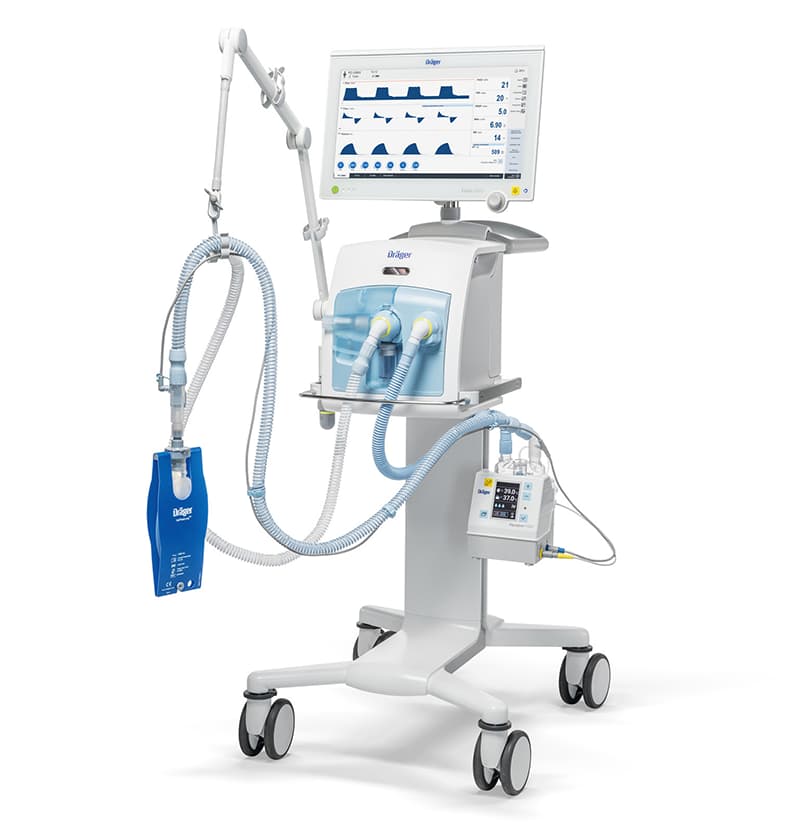
Dräger Evita® V600/800 ventilator
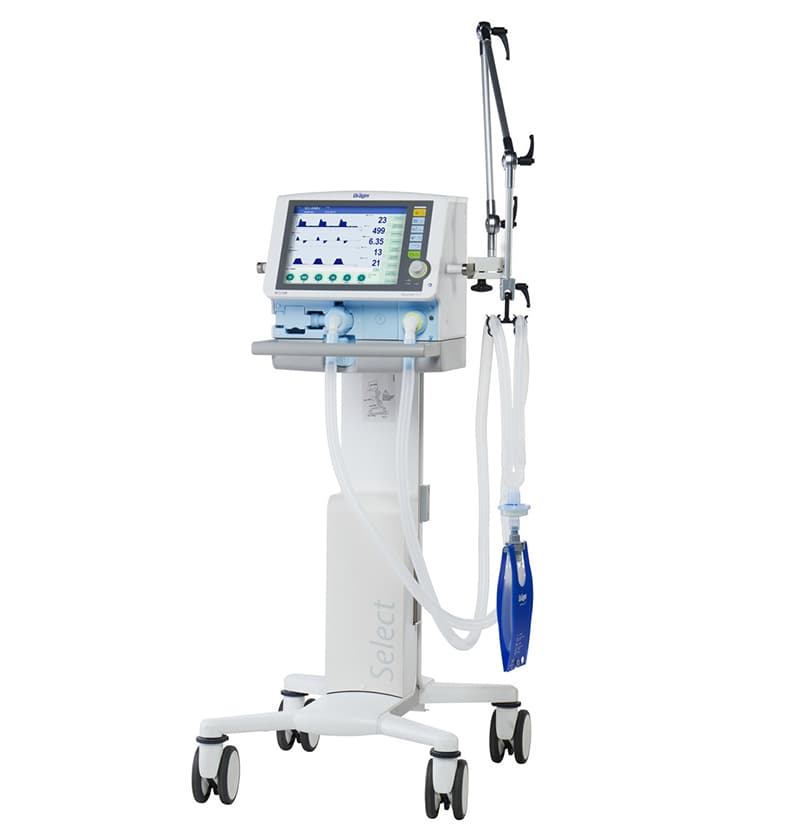
Dräger Savina® 300 ventilators
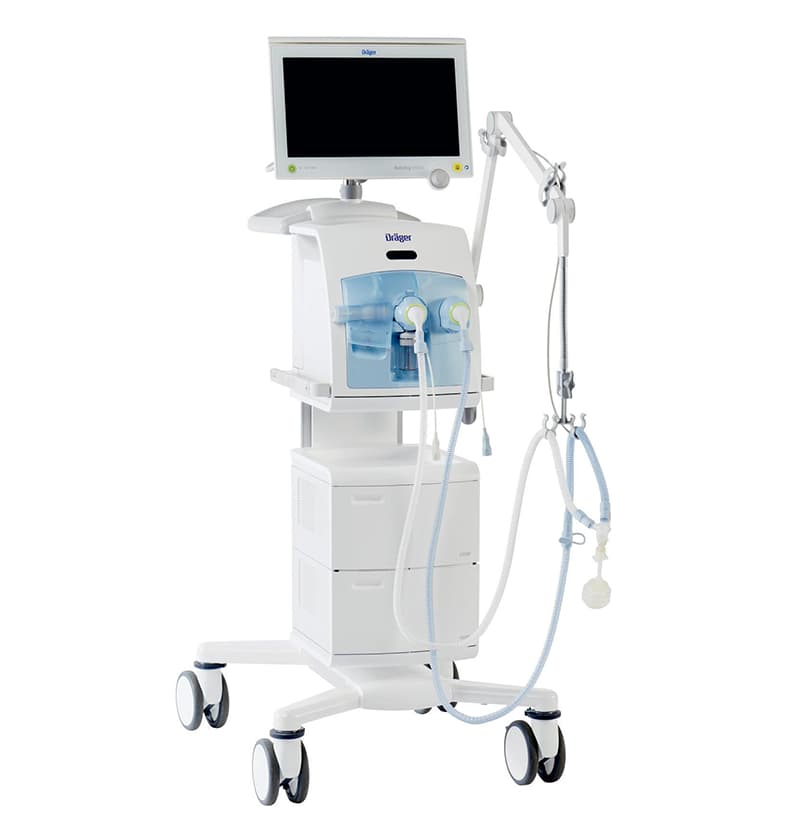
Dräger Babylog® VN600/800 ventilators
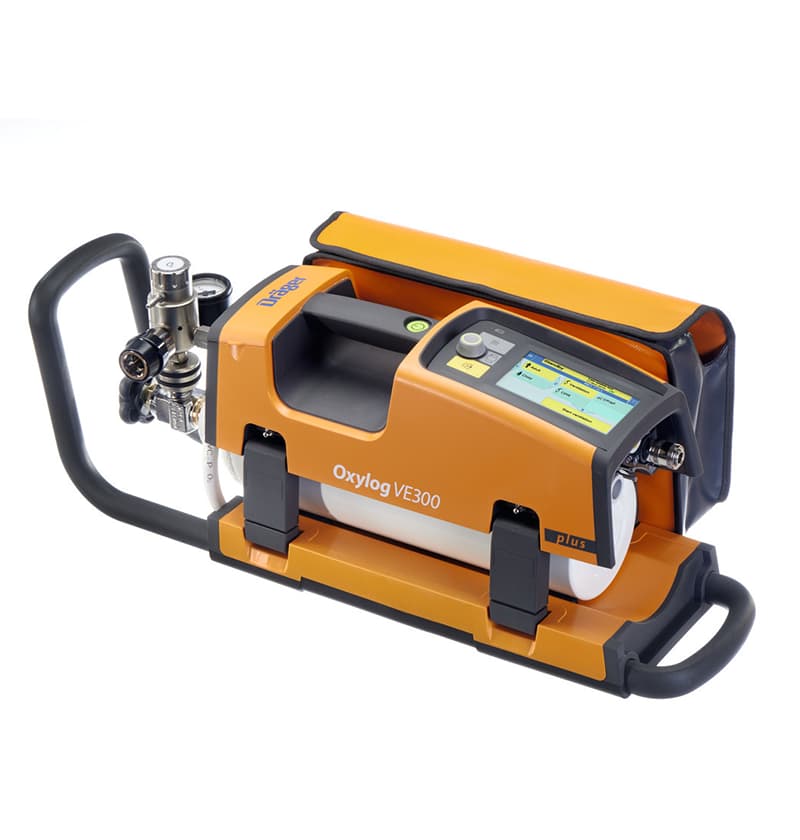
The Dräger Oxylog® VE300 ventilator
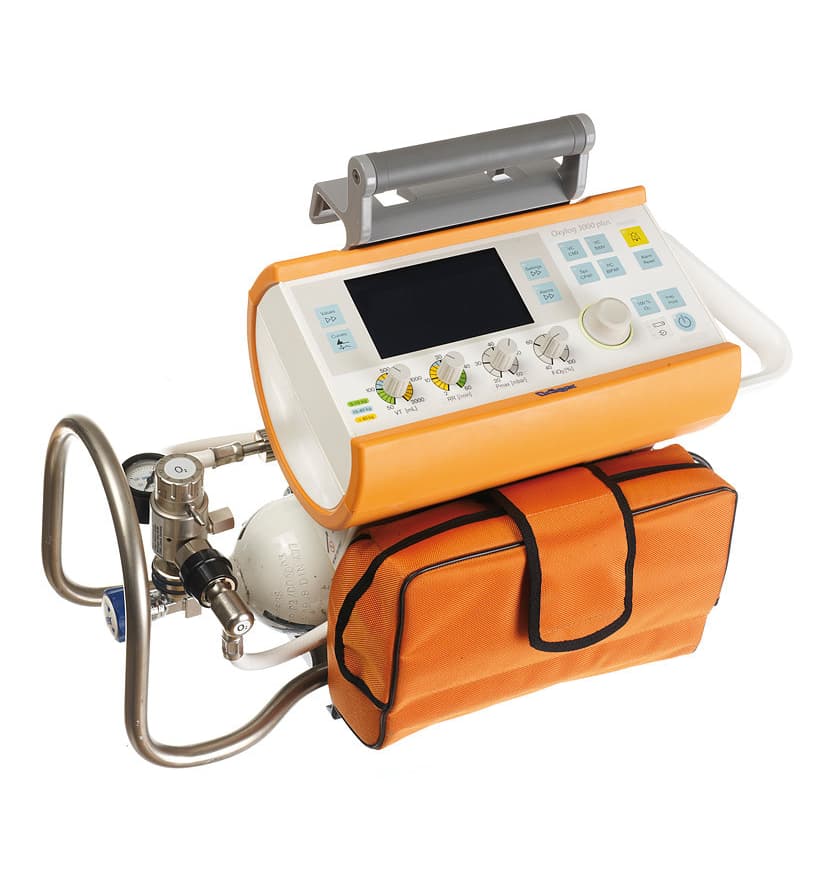
The Dräger Oxylog® 3000 plus
Mechanical ventilators are designed to support or fully provide breathing for patients with acute or chronic respiratory failure. The medical ventilator controls the delivery of the gas mixture to the lungs, setting the required volumes, pressure, and respiratory rate. A ventilator is used in intensive care units, resuscitation departments, operating rooms, and during transportation of critical patients.
The main function of a mechanical ventilator is to ensure stable gas exchange when the patient cannot breathe independently or when their breathing is insufficient to support vital functions. The ventilator allows adjustment of gas mixture ratios, oxygen concentration in inhalation, as well as exhalation parameters, which is critically important in respiratory failure, chest injuries, neurological conditions, anesthesia, or intensive care.
A mechanical ventilation device not only supports breathing but also provides controlled respiratory assistance based on the patient’s condition and response. This helps maintain physiological stability and prevents complications associated with hypoxia and hypercapnia.
Modern ventilators provide lung protection and synchronization with the patient’s own breathing attempts. The system automatically adjusts inhalation and exhalation parameters, responds to changes in the patient's condition, and minimizes the risk of hyperventilation or barotrauma. This is particularly important when treating patients with severe ventilation disorders who require long-term respiratory support.
The ability to precisely adjust the level of respiratory support is especially important, ensuring minimal lung load and a gradual transition to independent breathing. During prolonged ventilation, stability of parameters and prevention of additional lung injury are essential.
The choice of a ventilator depends on the clinical scenario and operating conditions. It is important to evaluate required ventilation modes, type of connection, patient category, and integration possibilities with existing equipment. In addition to technical characteristics, device reliability, ease of operation, and availability of service support are significant factors.
For intensive care units, ventilators with a wide selection of modes and precise parameter control are generally preferred. For transport and emergency medicine, compactness, vibration resistance, and autonomous power supply are important. A universal approach involves selecting a ventilator that matches the tasks of the specific department and clinical states of the patients.
All ventilators are supplied directly from the manufacturer with official warranty and service support. We provide equipment selection tailored to the medical needs of the facility, assistance with commissioning, and staff training. Ongoing technical support is available, ensuring stable, safe, and long-term operation. If you need to purchase a ventilator or learn its cost — we will help you select the optimal solution for your specific clinical conditions.